
What should I do first during an active roof leak?
Move valuables away from the leak if safe, collect water, avoid unsafe roof access, and call Rise Roofing so the situation can be assessed quickly.
Los Angeles roofing services for residential and commercial properties
(818) 714-7330Roofing Service
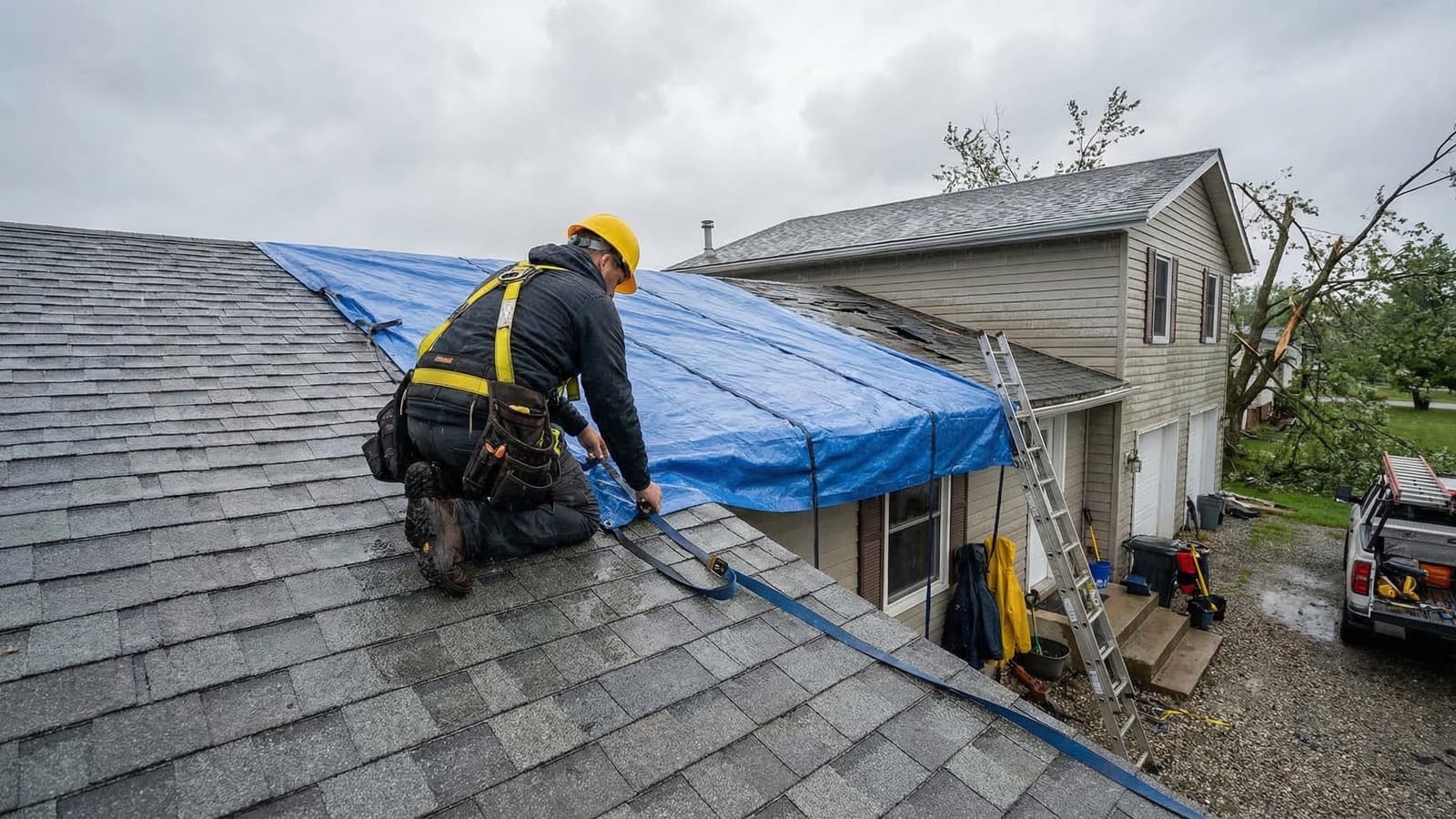
Emergency roofing pages should help people act quickly without promising unsupported 24/7 claims. The copy focuses on urgent calls, temporary protection, and next-step clarity.
Common needs
When to call
How the conversation works
Step 1
Call and describe the active roof emergency
Step 2
Share photos if safe and helpful
Step 3
Discuss urgent stabilization and inspection timing
Step 4
Plan the repair or replacement path after the immediate concern is contained
Honest proof slots
Service areas
This service page connects into focused city pages and call-first estimate paths across the service area.
Questions
Move valuables away from the leak if safe, collect water, avoid unsafe roof access, and call Rise Roofing so the situation can be assessed quickly.
Yes. Rise Roofing can start with a free estimate conversation so the next step is based on the roof condition, urgency, and service needed.
Calling is the fastest path for active leaks, storm damage, or urgent concerns. The estimate form is useful when you want to add photos and details before a callback.
Roofing guides
Need help with this service?
For active water entry or storm exposure, call first. Forms are slower for emergency situations.